
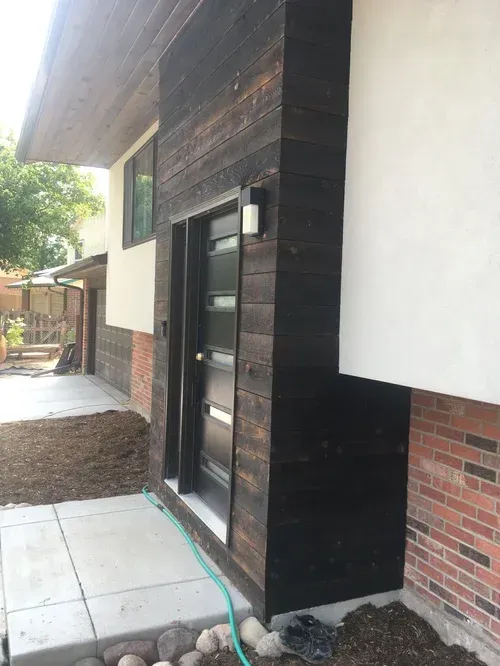
Surfaces Built to Handle Mountain Weather
Exterior Finishes in Brattleboro for properties exposed to freeze-thaw cycles and wind-driven moisture
Black Mountain Design Build installs exterior finishes—siding, roofing, trim, doors, and windows—using materials rated for the freeze-thaw cycles that define Vermont mountain climates. You need this work when existing surfaces show cracking from ice expansion, when moisture penetrates behind failed flashing, or when original materials were never designed for the temperature swings common between November and April. The material selection process starts with durability standards specific to this region, not generic product catalogs.
The work involves sourcing products tested for freeze-thaw resistance, scheduling installation during weather windows that allow proper adhesion and sealing, and coordinating phased work to protect interior spaces during seasonal transitions. Custom millwork for trim and fascia is produced in-house, which means profiles match architectural intent without waiting on external fabricators. You see the difference in how surfaces shed water during spring melt and how joints remain intact after repeated expansion and contraction cycles.
Schedule a property evaluation to review current exterior condition and identify material upgrades suited to your exposure level.
Why Material Selection Affects Long-Term Performance
Proper exterior finishing in mountain communities requires selecting products based on freeze-thaw ratings, not just appearance or initial cost. Black Mountain Design Build reviews manufacturer testing data to confirm products can handle moisture infiltration followed by rapid freezing, which is the primary cause of siding delamination and trim rot in this region. Installation timing is planned around seasonal weather patterns to avoid applying materials during temperature ranges that prevent proper curing or sealing.
After installation, you notice that water no longer collects along window sills during rainstorms, that ice formation on roof edges does not lift shingles, and that siding joints remain tight even after winter freeze cycles. Trim and fascia maintain clean lines without the warping that occurs when moisture-laden wood expands and contracts repeatedly. The building envelope sheds wind-driven rain without allowing capillary action to draw moisture into wall cavities.
Phased scheduling protects occupied interiors by completing vulnerable sections—roofing and flashing—before opening wall cavities for siding or window replacement. This approach minimizes disruption during weather transitions and ensures the building remains weathertight throughout the project.
What Homeowners Ask About Exterior Work
Mountain region homeowners in Brattleboro and surrounding communities often have questions about material performance and installation timing before starting exterior projects.
What makes a material freeze-thaw rated?
Products tested for freeze-thaw resistance show no delamination or cracking after repeated cycles of water saturation followed by freezing, which replicates the conditions that occur on exposed Vermont surfaces from late fall through early spring.
How does weather affect installation timing?
Adhesives, sealants, and coatings require specific temperature ranges to cure properly, so installation is scheduled during stable weather windows to avoid bond failure that leads to moisture infiltration.
Why is custom millwork done in-house?
Producing trim and fascia in-house eliminates the lag time and dimensional inconsistencies that occur when relying on external millwork suppliers, and it allows profiles to match architectural details without compromise.
What happens to the interior during exterior work?
Phased scheduling completes roofing and flashing before opening wall sections, so interior spaces remain protected from weather even when siding or windows are being replaced.
How long do properly installed exterior finishes last in this climate?
Materials rated for freeze-thaw exposure and installed with proper flashing and ventilation typically perform for decades without the cracking, rot, or moisture damage common in products not designed for mountain conditions.
Black Mountain Design Build sources materials based on climate data and manufacturer testing, not product availability alone. Request a consultation to review material options and installation scheduling for your specific site exposure.